Airbnb Cleaning Services in Seattle for Seamless Guest Turnovers
Running a short-term rental in Seattle can feel smooth one week and chaotic the next. A guest checks out at 10 a.m. The next one arrives at 4 p.m. Somewhere in that six-hour window, the unit has to be cleaned, reset, inspected, restocked, and made guest-ready without cutting corners. That sounds manageable until you add Seattle traffic, back-to-back bookings, wet winter entryways, pet hair on upholstery, and a guest message at 1:30 asking whether early check-in is possible.
That is why Lumenloft Home Cleaning Residential Cleaning Services Issaquah dependable Airbnb Cleaning Services in Seattle matter so much. For hosts, cleanliness is not a side detail. It shapes ratings, repeat bookings, and whether a guest walks in feeling relieved or disappointed. A good turnover cleaning does more than wipe counters and make beds. It protects the listing, catches maintenance problems early, and creates the kind of consistency that keeps a vacation rental profitable.
Seattle is a city where expectations run high. Guests paying for a stay in Capitol Hill, Ballard, Queen Anne, West Seattle, or near downtown are not comparing your property to a budget motel. They are comparing it to every polished short-term rental they have seen before. They notice fingerprints on stainless steel, dust on baseboards, hair in the shower drain, and crumbs under the toaster. They also notice when a place smells fresh, linens feel crisp, and every small detail seems handled without effort.
What makes an Airbnb turnover different from ordinary house cleaning
A short-term rental turnover is its own category of cleaning. It overlaps with housekeeping, hospitality, inspection work, light inventory management, and sometimes emergency problem-solving. Hosts who try to treat it like standard weekly maintenance usually discover the gap pretty quickly.
A residential cleaner may do excellent work in a private home, but a vacation rental requires a different pace and mindset. The cleaner has to think like both a housekeeper and a guest. Is the coffee station stocked? Did the last guest leave a charger under the bed? Is there a lipstick mark on a pillowcase that needs a linen swap? Is the welcome area free of clutter? Did someone move furniture in a way that blocks a heater vent?
This is where experienced Airbnb Cleaning Services in Seattle earn their value. The goal is not simply to clean. The goal is to reset the space so completely that the next guest feels like they are the first person to use it.

That standard affects everything from how linens are handled to how quickly damage gets reported. In a private residence, a missed detail might be an inconvenience. In a short-term rental, it can become a same-day review.
Seattle’s climate makes turnovers more demanding
Seattle homes deal with a specific set of cleaning challenges. For much of the year, moisture gets tracked inside. Entry mats become saturated. Hardwood near doorways shows damp footprints. Bathroom ventilation matters more. Window tracks collect grime faster than many owners expect. If a unit has outdoor access, especially in neighborhoods with mature trees, you can count on leaves, pollen, and debris finding their way in.
Then there is the mold and mildew issue. Not every property has a major problem, but bathrooms, window sills, under-sink cabinets, and basement-adjacent units need careful attention. A cleaner who works regularly in Seattle knows where moisture hides and how quickly a fresh-smelling unit can turn musty if those areas are ignored.
Summer brings a different challenge. Seattle’s busiest travel months often mean tighter turnover windows. Guests are out exploring, checking in later, using more towels, opening windows, and sometimes bringing extra people despite the reservation details. A studio that hosted one business traveler in February may host a family of four in July. The cleaning scope changes with the season, and the service has to flex with it.
The hidden costs of inconsistent cleaning
Most hosts think about cleaning as an expense line. That is understandable, but it is more accurate to think of it as revenue protection. The price of a thorough turnover is usually much lower than the cost of a bad review, a refund request, or a vacancy caused by declining ratings.
I have seen a lot of small issues snowball. A cleaner rushes through a same-day turnover and Cleaning Services in Renton misses grease splatter on the backsplash, hair in the bathroom corner, and a sticky refrigerator handle. The guest arrives, notices the kitchen first, then starts looking closer. Suddenly they are taking photos of things they might have ignored if the first impression had been stronger. Once trust is broken, even minor flaws feel bigger.
Hosts also underestimate the labor of correcting a bad clean after check-in. If the next guest is unhappy, someone has to answer messages, coordinate a re-clean, possibly offer a partial refund, and absorb the stress of knowing a public review may follow. Professional Airbnb Cleaning Services in Seattle reduce that risk because they operate with repeatable systems, not guesswork.
What a reliable turnover should include
Every property has its own quirks, but solid turnover service usually covers more than visible cleaning. The best teams clean with the next booking in mind, which means presentation and readiness matter just as much as sanitation.
A dependable turnover commonly includes:
- Full kitchen and bathroom cleaning, with close attention to high-touch surfaces and visible buildup.
- Bed stripping, linen replacement, and proper staging of sleeping areas.
- Floor care based on the surface type, including vacuuming, mopping, and spot treatment.
- Restocking essentials such as toilet paper, soap, paper towels, and guest basics supplied by the host.
- A quick condition check for damage, missing items, unusual wear, or maintenance concerns.
That list sounds straightforward, but execution is where quality shows up. A seasoned cleaner notices if a pan was put back greasy, if a decorative pillow cover needs washing, or if a shower curtain liner has started to smell damp. They do not just complete tasks. They evaluate the space.
Speed matters, but judgment matters more
Fast cleaning is useful. Efficient cleaning is better. There is a real difference.
A rushed cleaner may finish on time and still leave the property vulnerable. An experienced turnover specialist knows when to move quickly and when to slow down. If a sofa has visible pet hair woven into textured fabric, speed alone will not solve it. If a guest left makeup on white towels, someone needs to decide whether stain treatment is realistic or whether replacement is the better call. If a unit has a strong cooking odor, it may need more ventilation time and fabric refresh than the schedule allows.
This is one reason many hosts prefer working with teams that specialize in short-term rentals rather than general house cleaning. Residential Cleaning Services in Seattle can be excellent for ongoing home upkeep, but Airbnb turnovers ask for more triage and more hospitality awareness. The cleaner is part of the guest experience, even if the guest never meets them.
Why communication is part of the cleaning service
The strongest cleaning partnerships are built on clear communication. A host should not have to wonder whether the cleaner made it in, whether supplies are running low, or whether damage was found after checkout. In a well-run system, updates are routine, not exceptional.
Photos help, especially after difficult stays. So do messages about inventory, breakage, or repairs that might affect the next guest. If a lamp has stopped working or a duvet cover is torn, the host needs that information early enough to respond. A cleaner who quietly works around the problem may save an awkward message for the moment, but the issue usually becomes bigger by check-in time.
This is where the line between cleaning and operations starts to blur. Short-term rentals work best when the cleaner acts as an extra set of eyes. That kind of partnership is hard to quantify, but hosts feel the difference almost immediately.
Lumenloft Home CleaningProfessional cleaning services for homes and businesses in the Seattle area.
Covering the following areas:
Auburn, WA
Issaquah, WA
Federal Way, WA
Renton, WA
Bellevue, WA
North Bend, WA
Bonney Lake, WA
Snohomish, WA
Covington, WA
Kent, WA
Phone: 253-478-6024
[email protected]
Not every property needs the same cleaning plan
A downtown studio with mostly business travelers does not need the same turnover approach as a multi-bedroom family rental near Green Lake. The layout, guest profile, amenities, and booking pattern all shape what “clean” and “ready” should mean in practice.
For example, units with pets allowed need more detailed upholstery and floor attention. Homes with children’s amenities often require close inspection of high chairs, pack-and-plays, and under-furniture zones where crumbs collect. Properties with premium finishes need safer product choices and more careful handling. Older Seattle homes may have original woodwork, narrow staircases, and ventilation quirks that newer cleaners need time to learn.
This is one reason hosts should be cautious about choosing a cleaning service based only on the lowest price. A cheaper team may not factor in the actual complexity of the property. The result is usually inconsistency, staff turnover, or corners cut during busy periods.
The supply side of smooth turnovers
Cleaning quality often breaks down because of supply management, not effort. The cleaner arrives and finds there are no fresh pillowcases, no dishwasher pods, one nearly empty bottle of bathroom spray, and not enough paper goods for the next stay. Now the team is improvising instead of executing.

Hosts who want smoother turnovers usually benefit from setting up a simple supply system with backup stock on-site or nearby. Cleaners should know where replacement items live, which products are approved for different surfaces, and what the minimum par level is for linens and guest essentials. If your listing sleeps six, having just one complete backup linen set is asking for trouble. Laundry delays, stains, and back-to-back bookings make that too risky.
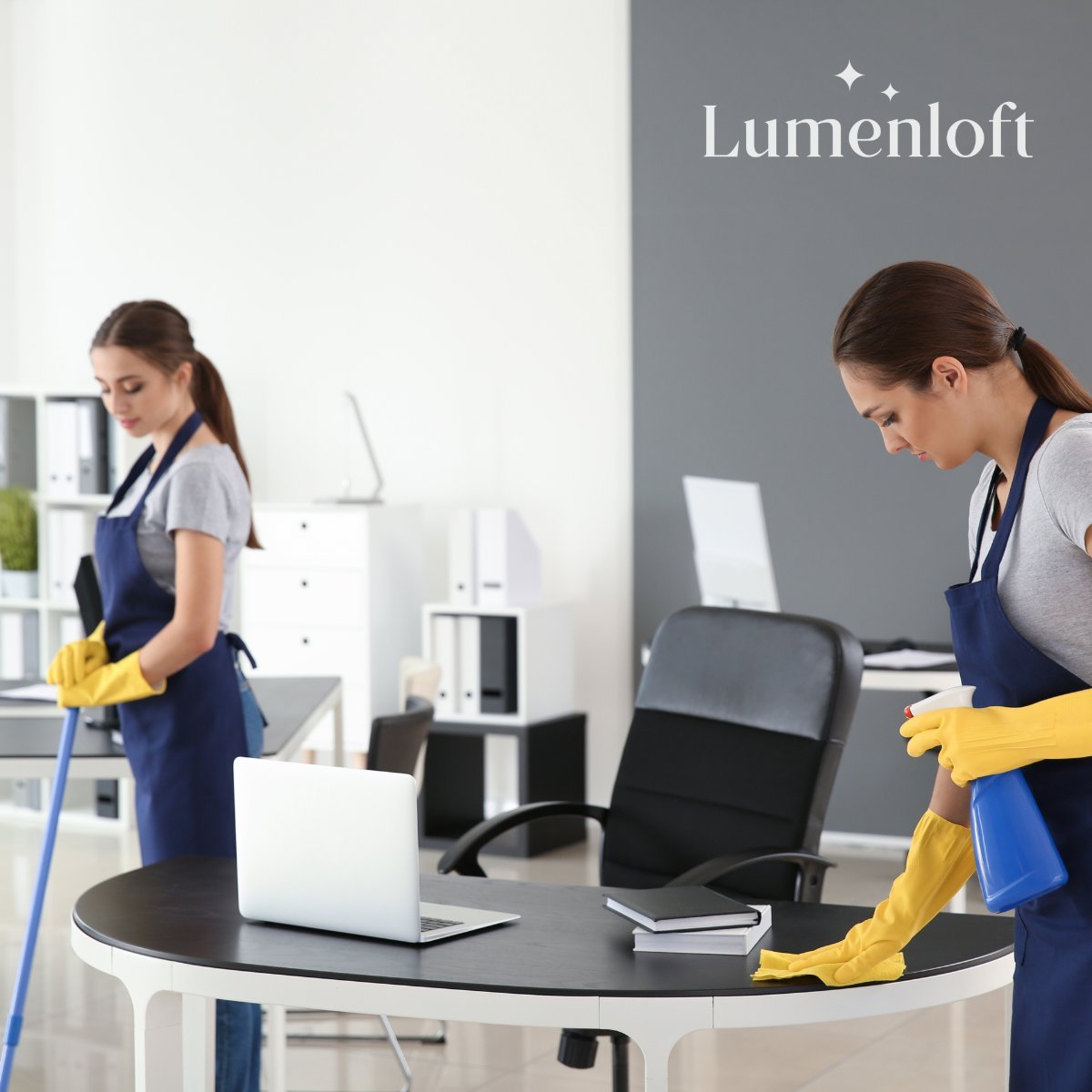
A lot of people learn this after the first peak season. They think the problem is staffing, but often it is inventory. Cleaners can move quickly when the property is set up for speed.
How Airbnb cleaning connects with larger property care
Many hosts operate more than one type of property. Some rent out a primary home seasonally, others manage small portfolios, and some own mixed-use spaces that need different service levels. In those cases, it helps to work with companies that understand the overlap between short-term rentals, homes, and business environments.
For instance, a host with a separate office or retail space may already use Professional Commercial Cleaning Services in Seattle and want the same reliability for their rental units. That is a reasonable instinct, but commercial cleaning and Airbnb turnovers are not identical. Commercial crews often excel at routine maintenance schedules, larger floor plans, and after-hours service, while vacation rentals demand detail-heavy staging and hospitality readiness. The best providers understand where those disciplines meet and where they do not.
The same applies outside Seattle proper. A host with properties spread across the region may look for Professional Cleaning in Renton or Cleaning Services in Issaquah to keep standards consistent across locations. That can work well if the service model is flexible enough to handle each property’s use case. A suburban family home rented for summer stays will need a different cadence than a compact Seattle condo booked year-round.
Common problems that a good cleaner catches before guests do
Hosts often think of cleaners as people who solve messes. The best ones also prevent surprises. A sharp turnover specialist notices issues that have not become complaints yet.
Here are a few examples that come up often in real rentals:
Bathroom caulk that is beginning to darken from moisture. A dishwasher filter clogged enough to leave odors. A slow-draining sink that guests will mention if not addressed. A fridge shelf with sticky residue hidden behind tall bottles. Black socks or white bath mats that show every trace of floor dust. Smudges on inside glass doors that only appear in afternoon light. A remote with dying batteries. A coffee maker with stale grounds left inside.
None of those things is dramatic on its own. Together, they shape the guest’s sense of whether the property is truly cared for. That is why a meticulous cleaner can protect reviews in ways that are out of proportion to the hourly rate.
What hosts should ask before hiring a service
A polished website does not tell you much about whether a cleaning team can handle short turnover windows and guest-facing standards. The better questions are practical.
Ask how they handle same-day bookings. Ask whether they report damage with photos. Ask who does laundry and where. Ask whether the same team returns to the same property or if staffing changes constantly. Ask what happens when a cleaner is sick on a high-occupancy weekend. Ask how they handle supply shortages. Ask whether they have worked in homes like yours, with similar guest counts, finishes, and access issues.
One of the most useful conversations is about edge cases. What if a guest checks out late? What if the property is left unusually dirty? What if there is evidence of smoking? What if a drain backs up between stays? You learn a lot about a service by how specifically they answer those questions.
A note on pricing, because cheapest usually gets expensive later
Seattle cleaning rates vary by neighborhood, unit size, turnover complexity, and whether laundry, restocking, or deep-clean rotation are included. It is smart to compare quotes, but line-item price only tells part of the story.
A service that charges more may include linen handling, consumable tracking, photo reporting, and enough staffing depth to protect your calendar during peak periods. A lower quote may assume ideal conditions every time, which is not how Airbnb actually works. The true question is whether the service can perform consistently when the stay was messy, the window is tight, and the next guest is arriving early.
Hosts who have gone through a few rough turnovers usually stop shopping purely on price. They start valuing predictability. That is the real luxury in short-term rentals.
Deep cleans still matter, even with great turnovers
Even excellent turnover service cannot replace periodic deep cleaning. Turnovers are designed around readiness for the next guest. Deep cleans address the slow buildup that accumulates in corners, vents, grout, upholstery, behind appliances, and less-visible storage areas.
In busy Seattle rentals, a deep clean schedule often makes sense every few months, sometimes more often for high-occupancy units. This is especially true for properties with fabric-heavy decor, light-colored finishes, pet-friendly rules, or strong cooking use. The cleaner can keep the place guest-ready every stay, but over time the property still needs a reset below the surface.
Many hosts wait until reviews mention “mostly clean” or “starting to feel worn.” That is late. Deep cleaning works best as prevention, not repair.
The guest experience starts before they unpack
Guests form opinions fast. Sometimes it happens in the first thirty seconds. They open the door, smell the air, glance at the floors, scan the bathroom, and put a bag down on the nearest surface. If that first impression feels calm and polished, little inconveniences later are easier to forgive. If the first impression feels sloppy, even a nice property has to fight uphill.
That is why seamless turnovers depend on details that some hosts never see themselves. Fold lines in towels. A lint-free mirror. A trash can that has been sanitized, not just emptied. Nightstands wiped underneath, not only on top. The right number of hangers in the closet. No crumbs in the silverware drawer. Toilet paper started correctly with a spare visible nearby. These are small things, but hospitality is often the sum of small things.
When a local cleaning partner makes the biggest difference
Seattle’s neighborhoods each bring their own access and scheduling complications. Parking can be limited. Building entry systems can be fussy. Elevators break. Street cleaning rules matter. Some homes have steep exterior stairs that slow load-in for supplies and laundry. Local teams who know the area work around those realities with less friction.
That local knowledge becomes even more valuable for hosts with regional properties. Someone coordinating Professional Cleaning in Renton, Cleaning Services in Issaquah, and Airbnb Cleaning Services in Seattle needs more than basic availability. They need a service structure that can maintain standards across different markets and home styles. Consistency becomes the product.
If you are also maintaining a primary residence, there can be value in working with a provider that offers Residential Cleaning Services in Seattle alongside turnover support. That does not mean every cleaner should do every kind of job, but it can simplify scheduling and quality control when managed well.
Cleanliness is really about trust
Guests rarely think about the cleaner directly, but they feel the result. A spotless kitchen tells them the host is organized. Crisp bedding tells them the home is cared for. A bathroom free of residue and hair tells them they can settle in without second-guessing the space. Trust is built quickly when the environment feels genuinely ready.
For hosts, that trust translates into better reviews, fewer frantic messages, lower refund risk, and a calmer operation overall. Seamless guest turnovers do not happen by accident. They come from systems, local knowledge, careful eyes, and cleaners who understand that in a short-term rental, every detail speaks.
That is what strong Airbnb Cleaning Services in Seattle provide. Not just a clean space, but a reliable handoff from one guest to the next, with the kind of consistency that keeps the whole business running well.